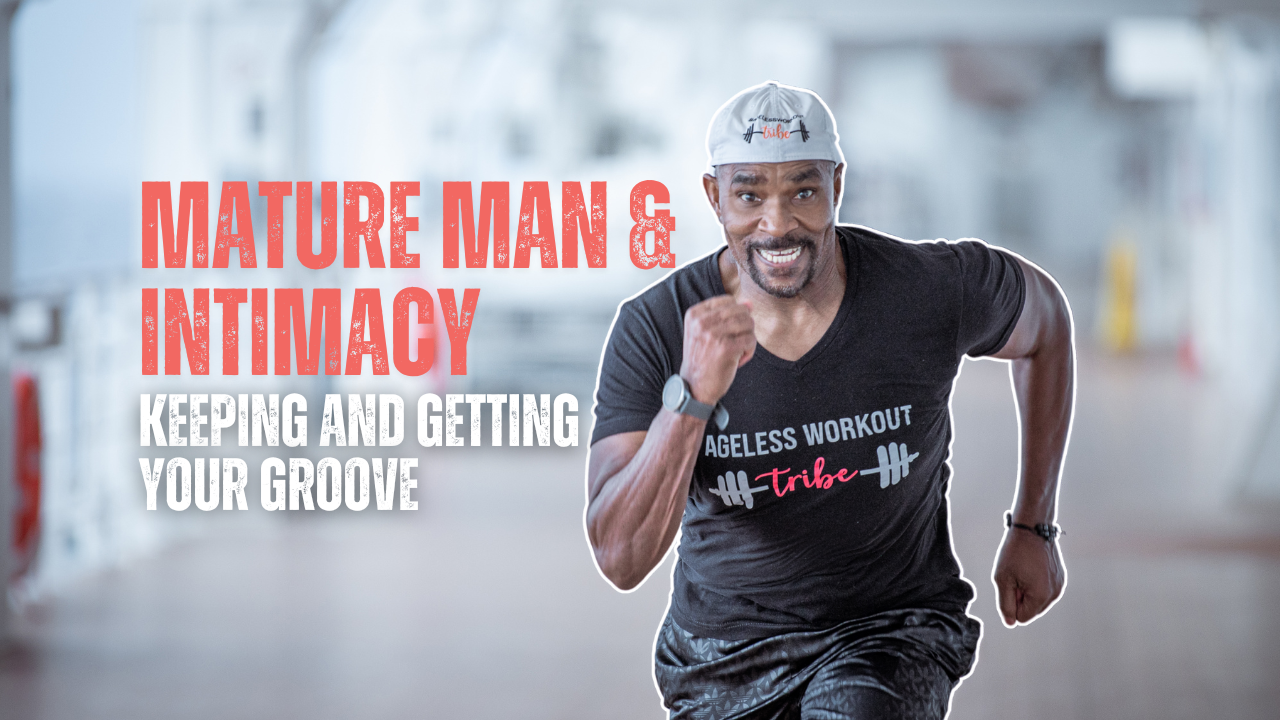
Rediscovering Intimacy as a Mature Man
As men age, changes in physical health, hormones, and life circumstances can impact intimacy and sexual well-being. It’s common for men in their late 40s, 50s, and beyond to notice shifts in libido, sexual function, and emotional connection. These changes are a normal part of aging, but they don’t mean your intimate life is over.
Common Challenges
- Decreased Libido: Testosterone levels naturally decline with age, often leading to reduced sex drive.
- Erectile Dysfunction (ED): By age 70, nearly 70% of men experience some degree of ED, which can affect confidence and relationships.
- Emotional Changes: Depression, anxiety, and stress can also play a role in sexual health and intimacy.
- Keeping and Getting Your Groove Back
- Open Communication: Talk honestly with your partner about changes, desires, and concerns. Emotional intimacy is as important as physical intimacy.
- Prioritize Mental Health: Addressing stress, anxiety, or depression can improve your overall well-being and your intimate life.
- Stay Active: Regular exercise boosts mood, energy, and circulation, all of which support sexual health.
- Healthy Habits: Eat a balanced diet, limit alcohol, avoid smoking, and get enough sleep. These habits support hormone balance and vascular health.
- Medical Support: Don’t hesitate to speak with your healthcare provider about changes in sexual function—there are effective treatments and interventions available.
- Try New Things: Intimacy can evolve. Explore new ways to connect with your partner, whether through touch, conversation, or shared activities.
Why It Matters
Intimacy and connection contribute to happiness, self-esteem, and quality of life at any age. Addressing changes openly and proactively can help you maintain a fulfilling intimate relationship well into your later years.
Medical Disclaimer: This article is for informational purposes only and does not constitute medical advice. Always consult with a qualified healthcare provider regarding your health or any medical conditions.