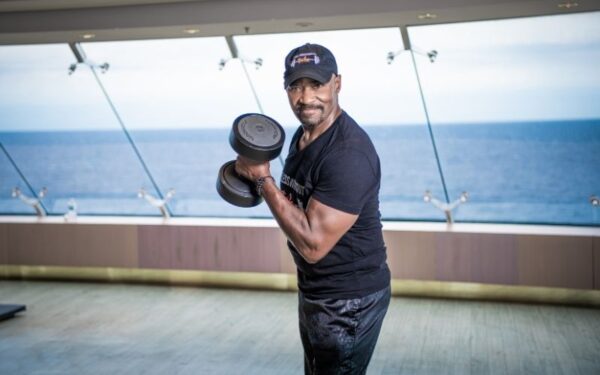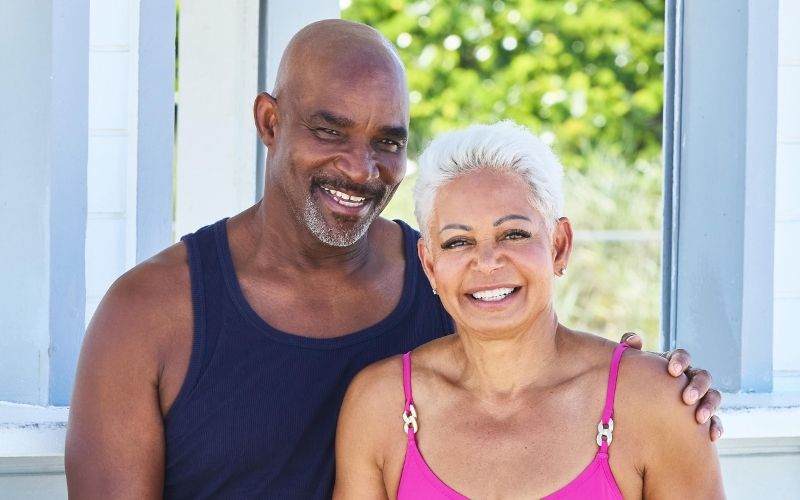
Building strength today is an investment in your future independence, confidence, and quality of life.
When people picture “retirement planning,” they picture spreadsheets, savings accounts, and conversations with a financial advisor. Almost nobody pictures a barbell.
That’s a problem. Because a retirement account can fund a 30-year retirement, but it can’t carry your groceries, climb a flight of stairs, or get you back up off the floor after you’ve fallen. Only your body can do that — and whether it’s still capable of it in your 70s, 80s, and beyond depends largely on what you do with it right now.
Retirement Is Getting Longer. Your Body Needs to Keep Up.
Thanks to advances in medicine and public health, retirement isn’t the short, quiet wind-down it once was. What used to last a few years can now stretch across three or even four decades — long enough to rival the length of an entire career.
That’s a remarkable opportunity. It’s also a serious physical challenge. A retirement that lasts 30+ years demands a body that can actually keep moving for 30+ years. Financial planning has evolved to account for those longer timelines. It’s time your fitness plan did too.
The Real Risk Isn’t Just Getting Older — It’s Getting Weaker
Here’s the uncomfortable truth: aging doesn’t take your independence away all at once. It erodes it quietly, one missed workout at a time, through a slow and largely preventable process — declining muscle mass, weakening bones, and shrinking mobility.
That decline is the thing standing between a long retirement spent traveling, gardening, and chasing grandkids, and one spent managing falls, fractures, and a shrinking radius of what you can safely do on your own.
The good news: this particular risk responds extremely well to training. Strength is one of the most modifiable factors in how independently you age — far more controllable than genetics, and arguably more controllable than your investment returns.
What Strength Training Actually Protects
Think of strength training as the maintenance plan for the one asset that makes every other retirement plan possible: your body.
Independence. Strong legs, a strong core, and strong grip strength are what let you keep doing daily life — stairs, car transfers, carrying things, getting up off the floor — without help, for as long as possible.
Bone health. Resistance training is one of the most effective tools for slowing bone density loss, directly reducing the risk of the fractures that send so many older adults into a downward spiral of lost mobility.
Balance and fall prevention. Falls are one of the biggest threats to independent living later in life. Strength and stability work are among the best defenses against them.
Metabolic and cardiovascular health. Muscle isn’t just for moving — it’s metabolically active tissue that helps regulate blood sugar, supports a healthy heart, and helps manage weight, all of which become more important as the years add up.
Confidence. There’s a psychological dividend too. Knowing your body can handle what you ask of it removes a quiet, constant source of anxiety about aging — and that confidence carries into everything else, from travel to caregiving to simply showing up for life.
Strength Training Is Also a Financial Strategy
It’s worth saying plainly: your physical capability and your financial plan are connected. A body that can keep working, stay active, and avoid costly health complications puts far less strain on retirement savings than one that can’t. Long-term care, mobility aids, and managing preventable injuries are expensive — and they’re exactly the kind of costs that strength training, started early and continued consistently, can help you avoid or delay.
In other words, the workout you skip today isn’t just a missed hour at the gym. It’s a withdrawal from the retirement account of your future mobility — one with no employer match and no way to undo decades of compounding later.
It’s Never Too Early — and Rarely Too Late — to Start
The biggest myth about strength training for longevity is that it’s something to think about “later.” In reality, the people who age the most independently are usually the ones who built strength steadily over decades, not the ones who scrambled to start in their 70s.
That said, it’s also rarely too late to benefit. Muscle responds to training at virtually any age, and even modest, consistent strength work later in life can meaningfully improve balance, confidence, and day-to-day function.
Start Building Your Most Important Retirement Asset
You can’t control every variable in how you age. But you can control whether you walk into your 70s, 80s, and 90s strong enough to actually enjoy them.
At Panache Fitness, we help members build the kind of strength that pays dividends for decades — not just for how you look today, but for how independently you’ll live tomorrow. Consider it the one part of your retirement plan you can start working on in this week’s session.
Ready to start investing in your future self? Let’s build it together.
Medical Disclaimer: This article is for informational purposes only and does not constitute medical advice. Always consult with a qualified healthcare provider regarding your health or any medical conditions.