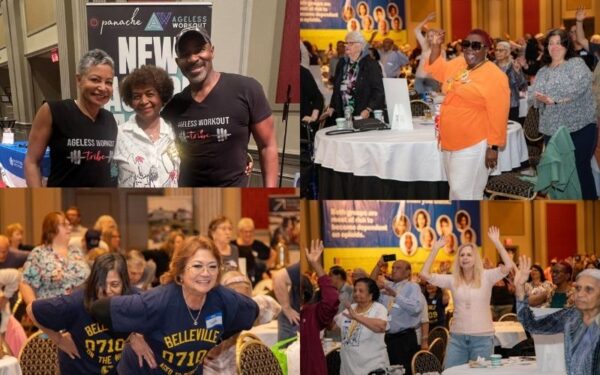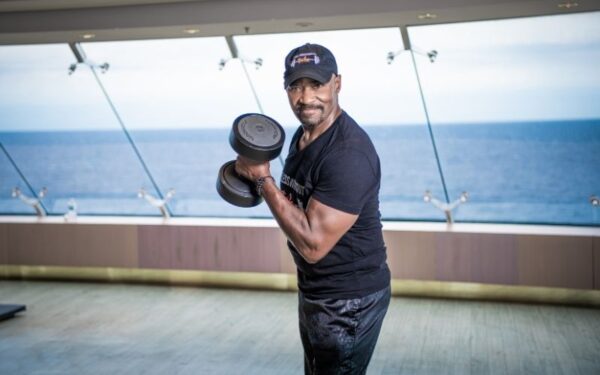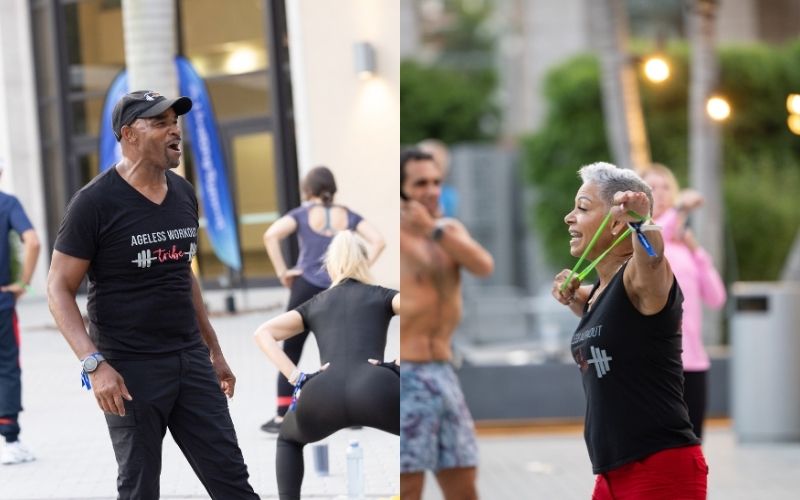
Regular movement doesn’t just strengthen your body—it reduces loneliness, boosts mood, and helps build meaningful relationships.
Ask someone why they go to the gym, and you’ll usually hear about muscle, weight, or cardiovascular health. Rarely do you hear: “Because it’s the best part of my social life.” But for a lot of people, especially as they get older, that’s quietly become just as true — and just as important.
The Loneliness Problem Nobody Plans For
Loneliness doesn’t show up on most people’s list of retirement risks, but maybe it should. Living alone becomes far more common with age, and the circle of regular social contact tends to shrink as careers end, kids move away, and friends become harder to see as often.
Isolation isn’t just an emotional issue — it’s a health issue. It’s linked to worse physical and mental health outcomes, and it tends to compound over time: less social contact leads to less motivation to get out, which leads to even less social contact. Without something pulling people back into regular contact with others, that spiral can be hard to interrupt.
That’s exactly the gap a consistent workout routine — especially a group-based one — quietly fills.
Why Group Workouts Work Differently Than Solo Exercise
Exercising alone still delivers real physical benefits. But a group setting adds something a solo workout can’t: built-in, recurring human connection that doesn’t require extra effort to maintain.
It’s social contact on autopilot. You don’t have to plan a get-together, send a text, or coordinate schedules. You just show up, and the people are there — same time, same place, week after week. For a lot of people, that consistency is the difference between intending to stay connected and actually doing it.
It creates relationships built on shared effort. There’s a particular kind of bond that forms between people who are sweating, struggling, and pushing through a tough set together. It tends to feel more genuine — and more durable — than relationships built purely around small talk.
It comes with built-in accountability and encouragement. Showing up for yourself is hard. Showing up because people are expecting you, and cheering you on when you do, is a lot easier. That mutual encouragement is good for adherence to a fitness routine — and it’s just as good for mood.
The Mental Health Case for Moving With Others
The benefits go well beyond friendship. Group exercise has a measurable effect on emotional well-being:
Mood and stress. Physical activity reliably reduces stress and supports better sleep — and doing it alongside others adds a layer of positive social interaction that amplifies the effect.
A sense of purpose and routine. Especially after a major life transition like retirement, the loss of daily structure can leave a real void. A standing class or training group rebuilds that structure — a reason to get up, get dressed, and be somewhere, surrounded by people who notice if you don’t show up.
Cognitive benefits. In-person social interaction plays a meaningful role in supporting cognitive health and reducing the kind of decline that isolation can accelerate. A workout that combines physical movement with real human conversation is, in a sense, doing double duty for the brain.
Resilience during hard stretches. Life inevitably brings setbacks — health scares, loss, financial stress. People with strong, regular social connections tend to weather those periods better. A training community becomes one more support system to lean on when things get difficult.
It’s Not Just for Older Adults — But It Matters Most There
While the social benefits of group exercise apply at every age, they carry extra weight for older adults, who are statistically more likely to be navigating retirement, loss of a partner, or distance from family — all common drivers of isolation. A consistent group workout routine can be one of the simplest, most reliable ways to keep a meaningful social network intact through all of that change.
It’s also worth naming the flip side: a lot of time that could go toward in-person connection now goes toward screens instead. Carving out a few hours a week for in-person movement and conversation is a direct, simple counterbalance to that trend.
Come for the Workout. Stay for the Community.
The physical results of consistent training matter, and we take them seriously. But don’t underestimate what else is happening in that room — the conversations before class starts, the high-fives after a hard finish, the people who’d notice if you stopped showing up.
At Panache Fitness, our group training isn’t just about getting stronger — it’s about building a community that keeps you coming back, keeps you connected, and supports you well beyond the workout itself.
Your next set of friends might be your next set of reps. Come find out.
Medical Disclaimer: This article is for informational purposes only and does not constitute medical advice. Always consult with a qualified healthcare provider regarding your health or any medical conditions.