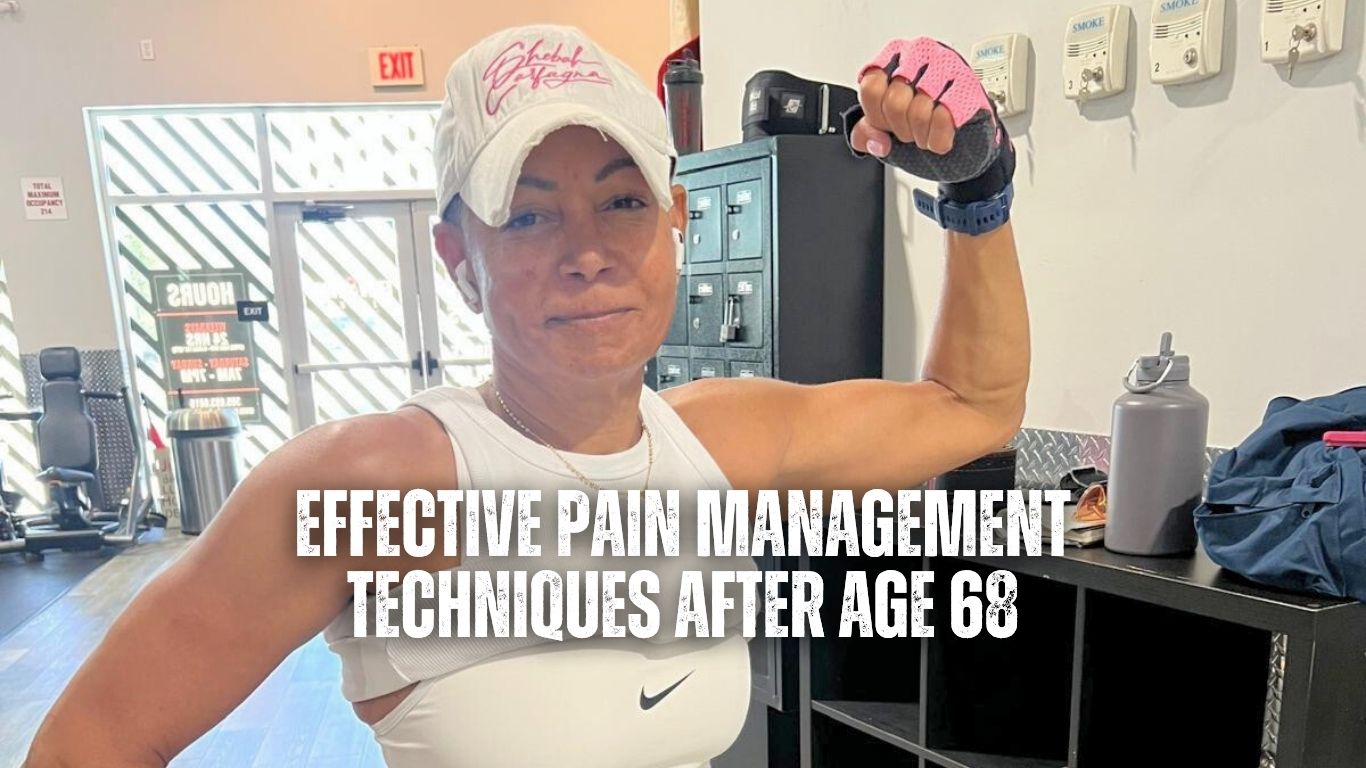
Managing pain after 68, especially following surgeries like hip replacement, involves a comprehensive approach that balances safety, effectiveness, and overall well-being. Here are the most recognized and effective pain management strategies for older adults:
1. Physical Therapy and Movement
- Gentle Exercise: Regular, supervised physical activity (such as walking, stretching, or strength exercises) improves mobility, decreases stiffness, and enhances mood—crucial for pain control and independence.
- Targeted Therapy: Exercises prescribed by physical therapists can help stabilize and strengthen muscles around painful joints, like the hip, and reduce falls or further injury.
2. Non-Pharmacological Techniques
- Heat or Ice Packs: Applying heat relieves chronic muscle pain while ice can reduce inflammation in acute injuries.
- Relaxation & Mindfulness: Guided imagery, meditation, deep breathing, and yoga help reduce pain perception and manage stress responses associated with chronic pain.
- Acupressure/Acupuncture: Shown to lower pain intensity in older adults and may be self-practiced (acupressure) or performed by professionals (acupuncture).
- TENS Therapy: Transcutaneous electrical nerve stimulation, administered by a healthcare provider, is sometimes used for chronic pain that doesn’t respond to other treatments.
3. Pharmacologic Therapies
- First-Line Medications: Acetaminophen is generally recommended first for mild to moderate pain due to its safety profile in the elderly, but always monitor for liver health.
- NSAIDs: Effective for inflammatory pain but require caution because of potential side effects (e.g., gastrointestinal or kidney issues).
- Low-Dose Opioids: May be considered in select, carefully monitored cases where pain is severe and other options have failed.
- Adjuvant Medications: Sometimes, other medications like antidepressants, topical agents, or nerve pain modulators are helpful, depending on the pain type.
4. Complementary & Integrative Approaches
- Tai Chi & Qigong: Low-impact movement arts improve balance and reduce pain.
- Massage: Professional, gentle massage can aid soft tissue or neuropathic pain but should avoid direct pressure on sensitive joints.
5. Psychological Support
- Cognitive Behavioral Therapy (CBT): Helps reframe pain perceptions, cope with limitations, and improve quality of life.
- Community Engagement: Social support through wellness groups or classes can decrease isolation and depression, common barriers in pain recovery.
6. Adaptive Devices & Lifestyle Adjustments
- Mobility aids: Canes, walkers, and home adaptations (grab bars, shower seats) enhance safety and reduce injury risk.
- Healthy Nutrition: Anti-inflammatory diets and adequacy in nutrients support overall healing and can mildly reduce pain.
- Education: Understanding pain triggers, safe movement, and medication adherence is essential for sustainable pain management.
Key Points:
- Combine several methods for best results.
- Always consult your healthcare provider before starting or changing treatments, especially when using medications or new physical activities, to tailor to individual needs and avoid drug interactions or side effects.
- Self-management skills (e.g., guided imagery, movement methods) empower older adults to actively control pain levels over time.
These multidisciplinary approaches contribute not just to pain relief but also to improved function, mental well-being, and quality of life as we age.
Medical Disclaimer: This article is for informational purposes only and does not constitute medical advice. Always consult with a qualified healthcare provider regarding your health or any medical conditions.